In recent years, the threat of earthquakes has become more apparent in many regions around the world. As a result, there has been a growing emphasis on ensuring the safety and stability of buildings in the event of seismic activity. One of the key components in achieving this goal is the implementation of a seismic bracing system. These systems play a crucial role in protecting structures and minimizing damage during earthquakes.
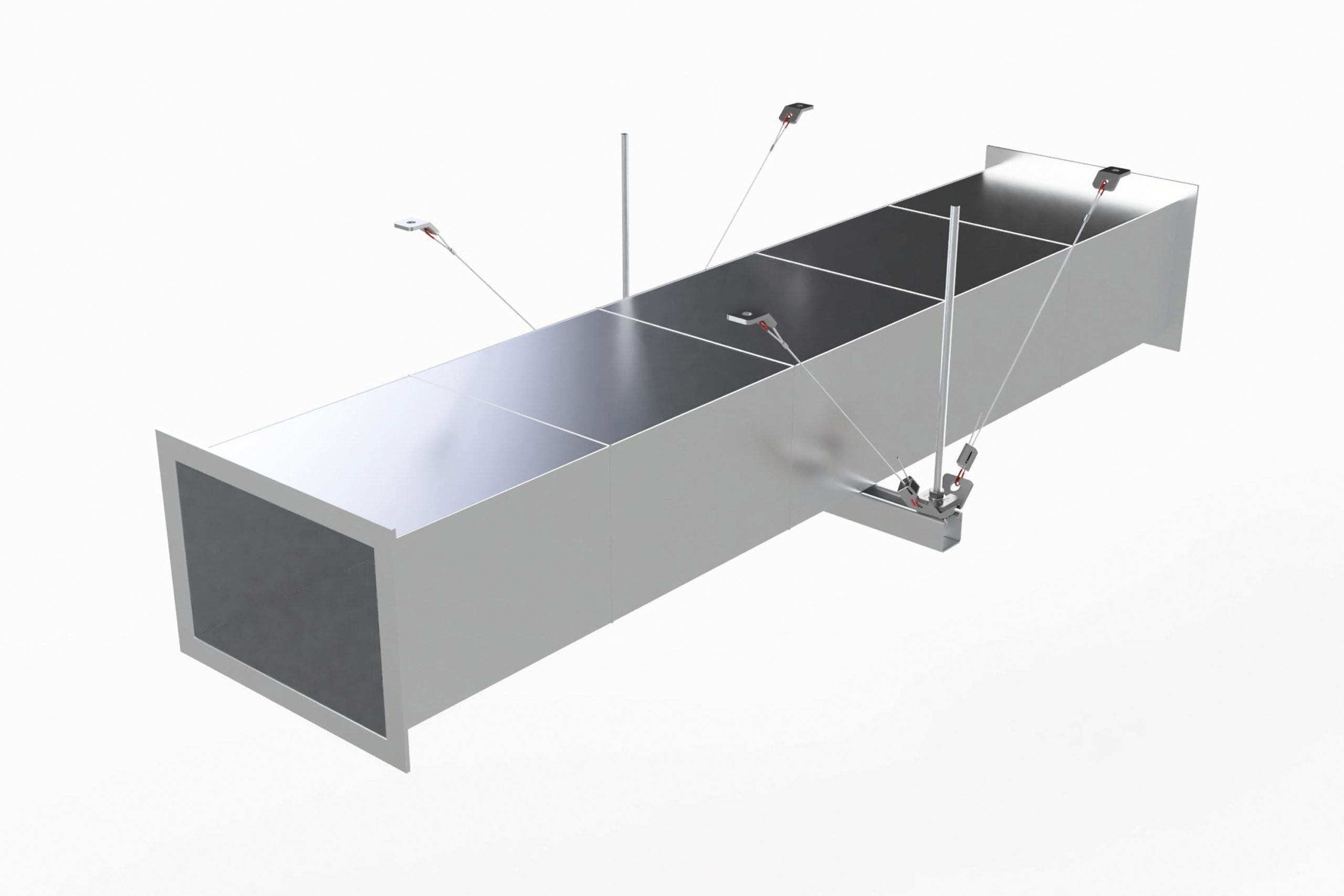
A seismic bracing system is a set of structural elements designed to resist the lateral forces generated by seismic activity. These forces can cause buildings to sway and shift, potentially leading to structural failure and collapse. By incorporating a seismic bracing system into a building’s design, engineers can help to ensure that the structure remains stable and secure, even in the face of strong seismic forces.
There are several types of seismic bracing systems that can be used in different types of buildings. One common type is the moment frame system, which consists of a series of beams and columns that are designed to absorb and dissipate seismic energy. These systems are often used in high-rise buildings and other structures that are particularly vulnerable to earthquakes.
Another type of seismic bracing system is the brace frame system, which uses diagonal braces to provide additional strength and stability to a building’s structure. These systems are commonly used in buildings with large open spaces, such as atriums and auditoriums, where traditional moment frame systems may not be as effective.
In addition to moment frame and brace frame systems, there are also newer technologies such as base isolation systems and dampers that can further enhance the seismic performance of a building. Base isolation systems use bearings or isolators to separate the building from the ground, reducing the transfer of seismic forces to the structure. Dampers, on the other hand, are devices that absorb and dissipate energy, helping to mitigate the effects of seismic activity.
The benefits of incorporating a seismic bracing system into a building’s design are numerous. Not only do these systems help to protect the integrity of the structure and reduce the risk of collapse during an earthquake, but they can also minimize damage to the building’s contents and occupants. In addition, buildings with seismic bracing systems are often eligible for lower insurance premiums and may be more attractive to tenants and investors looking for safe and secure properties.
Despite the clear advantages of seismic bracing systems, there are still many buildings around the world that lack adequate protection against earthquakes. Retrofitting existing structures with seismic bracing systems can be a complex and costly process, but the long-term benefits in terms of safety and peace of mind are well worth the investment.
In areas prone to seismic activity, such as California or Japan, building codes often require the use of seismic bracing systems in new construction projects. These codes are enforced to ensure that buildings are built to withstand the forces of nature and provide a safe environment for occupants. By adhering to these regulations and guidelines, builders and developers can help to reduce the impact of earthquakes on structures and communities.
In conclusion, seismic bracing systems play a vital role in protecting buildings and infrastructure from the destructive forces of earthquakes. By incorporating these systems into building designs and adhering to strict building codes, engineers and architects can help to create safer and more resilient structures that can withstand the challenges of natural disasters. As the threat of earthquakes continues to grow, the importance of seismic bracing systems in modern structures cannot be overstated. Investing in these systems is not only a smart business decision but a necessary step towards ensuring the safety and well-being of communities around the world.